Loading blog…
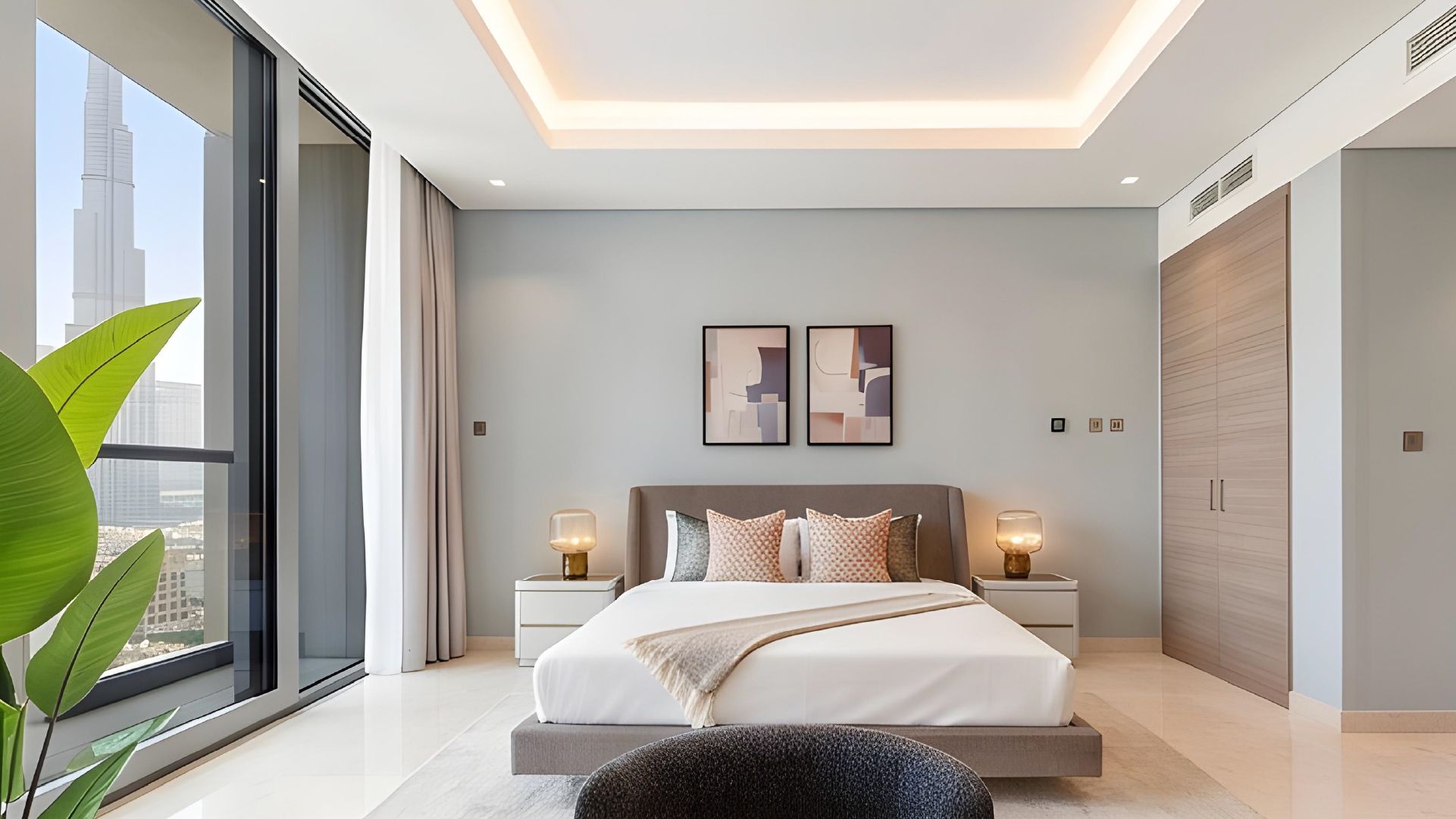
From licensing and management to guest expectations and returns, here's what owners should evaluate before entering the short term rental market.
Owning property in the UAE, especially in Dubai, has become more than a milestone. For many, it’s part of a larger plan: building long term stability, creating a financial cushion, and growing wealth in a city that attracts ambitious professionals from across the world.
Dubai is designed for people who come here to work hard, make their mark, and secure a future. Naturally, this has also shaped how people view real estate: not just as a place to live, but as an opportunity for passive income.
With home loans increasingly accessible and Dubai’s property ecosystem evolving quickly, more owners are asking an important question:
Should I rent my property as a holiday home instead of going for long term tenancy?
This blog isn’t here to “sell the idea.” It’s here to help you make the right decision based on your goals, your appetite for involvement, and the realities of managing a property in a market like Dubai.
Passive income is often marketed as something effortless, buy property, list it, and earn money while you sleep.
In reality, it’s more accurate to say:
Rental income can become semi-passive
...but only when the property is managed properly.
Dubai’s rental potential is attractive for a reason:
However, property income becomes stressful when owners have to deal with day-to-day operations themselves and that’s where the decision between long term rental and holiday homes becomes important.

1. Higher revenue potential (especially in prime areas)
Holiday homes often have stronger earning potential than long-term rentals, particularly in high-demand locations like Downtown, Dubai Marina, Business Bay, DIFC, and near major attractions.
If your property is well-furnished, well-managed, and marketed properly, short stays can generate:
2. Flexible pricing that adapts to the market
One big advantage of holiday homes is the ability to adjust rates dynamically. Unlike long-term tenancy, where you’re locked into a fixed rental for a year, short-stay pricing can move with:
That flexibility can make a real difference to overall ROI.
3. Less dependency on “finding the right tenant”
Every UAE owner knows this challenge:
Finding a tenant isn’t always the hard part, finding the right tenant is.
With long-term rentals, owners may worry about:
Holiday homes remove the “one tenant dependency” issue, income is diversified across multiple bookings rather than hinging on one long-term occupant.
4. Your home stays in your control
With holiday homes, owners often feel more in control because:
This suits owners who like flexibility, especially those living between countries.
1. Yes, there is wear & tear
Short stays mean higher turnover, and higher turnover means more usage:
This isn’t a reason to avoid holiday homes, it’s simply something to plan for. The best owners treat it like a real business asset: maintain it, upgrade it, and protect it with the right process.
2. You’re not just renting a home, you’re delivering hospitality
Holiday home guests expect more than keys and a clean unit. They expect:
In short: guest expectations are high, especially in Dubai.
If an owner tries to manage everything alone, it can quickly become overwhelming.
3. Regulations and compliance must be handled correctly
Holiday homes in Dubai operate under specific rules and licensing requirements. Compliance matters, not only for legality but also for consistent performance and long-term success.
A professionally managed approach ensures the property is operated responsibly, reducing risk and stress.
4. Occupancy isn’t “automatic”
This is the biggest misconception owners have.
Simply listing a property online does not guarantee bookings.
Occupancy depends on:
Owners who don’t have the expertise or tools to compete often experience gaps in bookings and that affects the income stability they were hoping for.
5. It can become a full time job without the right support
Managing a holiday home can mean:
For working professionals (especially those who bought property while building a career), this becomes the most important question:
Do you want passive income or a second job?

Turning your property into a holiday home can be a strong move if:
You want higher income potential and flexibility
Your property is in a location that attracts travellers
You’re willing to maintain it to hospitality standards
You have a reliable partner to run operations
A long-term rental may suit you better if:
✅ You want stability with minimal turnover
✅ You prefer predictable yearly income
✅ You don’t want frequent maintenance cycles
✅ You don’t want to think about pricing, bookings, or guest experience
Both models work in Dubai, the right choice depends on your goal: steady simplicity vs flexible income growth.
Holiday homes become a genuine passive income stream only when managed professionally.
The right partner reduces stress, protects the asset, and improves returns by focusing on:
For owners who want the benefits of holiday home income without the operational burden, Resaura Selection offers a professionally managed solution built around expertise, technology, and hospitality. With smart systems designed to maximise occupancy, flexible market-led pricing that adapts to demand, and a concierge supported guest experience, Resaura ensures every stay reflects high standards while every property is maintained with care. The result is a holiday home model where owners can build and grow their property’s passive income with peace of mind, consistency, and minimal hassle.